
WHO Driver Killed by Israeli Gunfire in Gaza, Relatives Reveal
A Palestinian driver working for the World Health Organization (WHO) has been killed by Israeli gunfire in Gaza, according to relatives and medical sources, in an incident that highlights the continuing violence despite a fragile ceasefire that has lasted for months largely in name only.
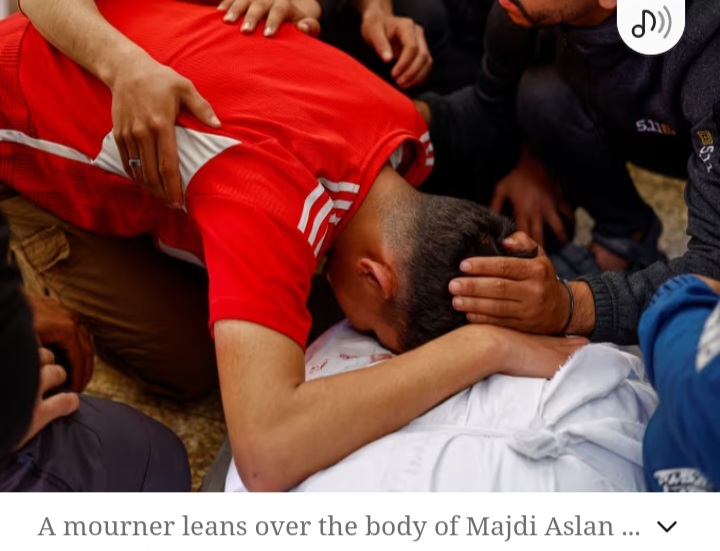
The man, identified by local sources as 54-year-old Majdi Aslan, was driving a clearly marked international vehicle belonging to the WHO when the shooting occurred. According to reports cited by CNN, Aslan was travelling along the main Salah al-Din Road, the principal north-south route through the Gaza Strip, when Israeli forces opened fire on the vehicle.
Relatives said Aslan had been carrying medical personnel and humanitarian staff as part of routine health operations in the war-ravaged territory. The vehicle reportedly bore visible WHO insignia indicating its humanitarian mission. Despite this, Israeli gunfire struck the car, killing the driver and injuring several others inside, including a doctor working with the international organisation.
The Israeli Defence Forces (IDF) acknowledged the incident but said its forces had been responding to what they believed was a potential security threat in the area. In a statement cited by CNN, the military said its troops operate in complex combat conditions in Gaza and maintain that they target militants and threats while attempting to minimise harm to civilians.
However, the World Health Organization condemned the killing and called for an investigation into the circumstances surrounding the attack. WHO Director-General Tedros Adhanom Ghebreyesus said the organisation was “deeply saddened” by the death of the staff member and stressed that humanitarian workers and medical convoys must be protected under international humanitarian law.
The incident comes amid a ceasefire between Israel and Hamas that has technically been in place for about six months but has been repeatedly undermined by ongoing violence and sporadic military operations. Despite the agreement, clashes and airstrikes have continued across Gaza, leaving hundreds of Palestinians dead since the truce began.
Humanitarian groups warn that the persistent instability has severely disrupted medical operations and aid delivery across the enclave. Gaza’s healthcare system, already devastated by years of conflict, continues to struggle to provide basic services to millions of residents.
For Aslan’s family, the loss underscores the risks faced by aid workers operating in the conflict zone. Relatives said he had spent years working to transport medical staff and supplies across Gaza, believing his role in supporting humanitarian work could help save lives amid the war’s devastation.





















.jpeg)





































