
Why Ukraine and Russia still haven’t signed peace deal
Despite strong global calls for an end to the war between Ukraine and Russia, the two countries have not yet signed a formal peace agreement, even nearly four years after Russia’s full-scale invasion. International media outlets such as CNN and BBC have reported repeatedly on stalled negotiations and continuing obstacles to peace.
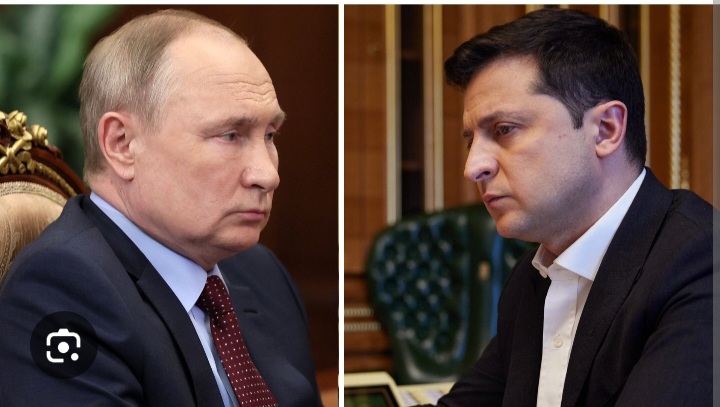
One key reason is deep disagreement over core terms of a peace deal. Ukraine has insisted on full respect for its territorial integrity, meaning that Russia must withdraw forces and renounce claims to occupied regions, demands Moscow rejects or deems negotiable only on its terms. CNN noted Kyiv’s refusal to accept proposals involving significant territorial concessions, including limiting its military and NATO aspirations, which Russia and U.S. mediators have sometimes framed as part of draft frameworks.
BBC reporting underscores how Russia has resisted compromise, particularly on security guarantees and foreign troop deployments. In televised coverage, the Kremlin either disputes Western peace proposals or insists negotiations must proceed on Russian terms. Without agreement on these foundational issues, territory, security arrangements, and military constraints, there is no basis for a signed treaty.
Another factor is the continuing conflict dynamics on the ground. Russia continues military operations even while talks occur, weakening trust and creating incentives for both parties to seek battlefield leverage rather than a negotiated end.
Internationally, global support for peace continues to grow. Western governments, including the U.S. and the EU, have proposed multi-point plans and security guarantees for Ukraine and rallied diplomatic efforts toward a ceasefire. However, these initiatives have not persuaded Moscow to fully engage in meaningful compromise.
In summary, fundamental disputes over territory, security, and Russia’s willingness to make concessions, compounded by ongoing conflict and geopolitical complexities, continue to block the signing of a peace deal, even amid strong global support for ending the war.





















.jpeg)





































